

Safety Best Practices for Projects that Require Multiple Cranes
- March 23, 2026
Ensuring Safety When Using Multiple Cranes
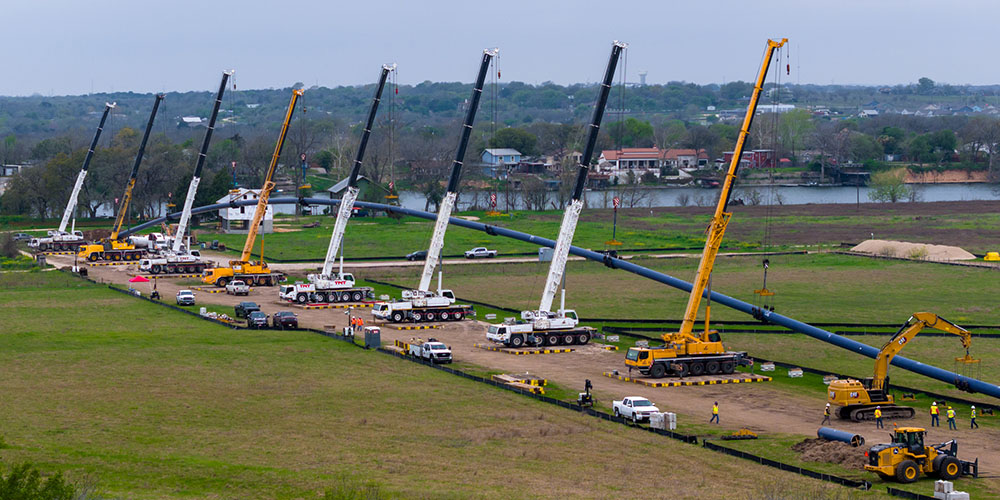
Projects that involve more than one crane present unique challenges for coordination, safety, and efficiency. When multiple cranes operate in the same area, careful planning and clear communication are essential to prevent accidents and ensure that lifts proceed smoothly. Proper procedures also help maintain timelines and protect both personnel and equipment. At TNT Crane & Rigging, we understand the importance of safety in complex lifting operations. That is why we have outlined key safety best practices for projects that require multiple cranes.
+ Learn how proper load distribution ensures a safe crane
Managing multiple cranes requires attention to detail and proactive planning. Each lift should be considered in the context of the overall operation to maintain safe distances, prevent collisions, and ensure proper load handling.
Below are several safety practices that can support a secure and efficient project:
Conduct Thorough Planning Before Lifts
Before any lifting begins, all crane movements and lift sequences should be mapped out. This includes evaluating load weights, crane capacities, positioning, and potential interference zones. Pre-lift planning helps identify risks early and supports strong crane safety, ensuring that each crane operator understands their role in the overall operation.
Establish Clear Communication Protocols
Reliable communication between operators, signal persons, and site supervisors is essential. Using standardized hand signals, radios, or other communication systems reduces the chance of misunderstandings that could lead to accidents. Clear communication also helps coordinate simultaneous lifts and quick responses to unexpected changes onsite.
Maintain Safe Distances and Load Clearance
Cranes working in close proximity require strict attention to spacing and load paths. Ensuring that each crane’s swing radius and boom movements do not overlap helps prevent collisions and minimizes the risk of dropped loads. Planning load paths and observing clearance guidelines also helps support effective crane maintenance by reducing the likelihood of operational damage.
Monitor and Adjust as Operations Progress
Even with careful planning, conditions onsite can change. Regularly monitoring crane positions, load movements, and environmental factors allows adjustments to be made before problems arise. This proactive approach supports both safety and efficiency throughout the project.
At TNT Crane & Rigging, we provide crane rental services and professional lifting support for complex projects throughout the United States. Get in touch with us to learn more about our multi-crane solutions and how our team can help ensure safe and successful lifting operations.
Related Blogs

- April 20, 2025
What Does the HSE Department Do?
Key Responsibilities of the HSE Department Since safety is a top priority in the crane and.
- July 23, 2024
Crawler Crane Site Preparation
How to Prepare a Site for a Crawler CraneFrom ground assessments to final preparations, ensuring a.